
What Is Executive Functioning, Really?
By Dr. Nichole Hardy Swann, Psychologist and Vail Valley Unbound Board Member
If you’ve ever watched your child decide what to pack for a hike, organize materials for a group project, or find a new way to solve a problem when their first plan doesn’t work, you’ve seen executive functioning at work. These skills form the brain’s management and adaptability system– the set of mental processes that help us plan, focus, remember, reason, and respond flexibly to the unexpected.
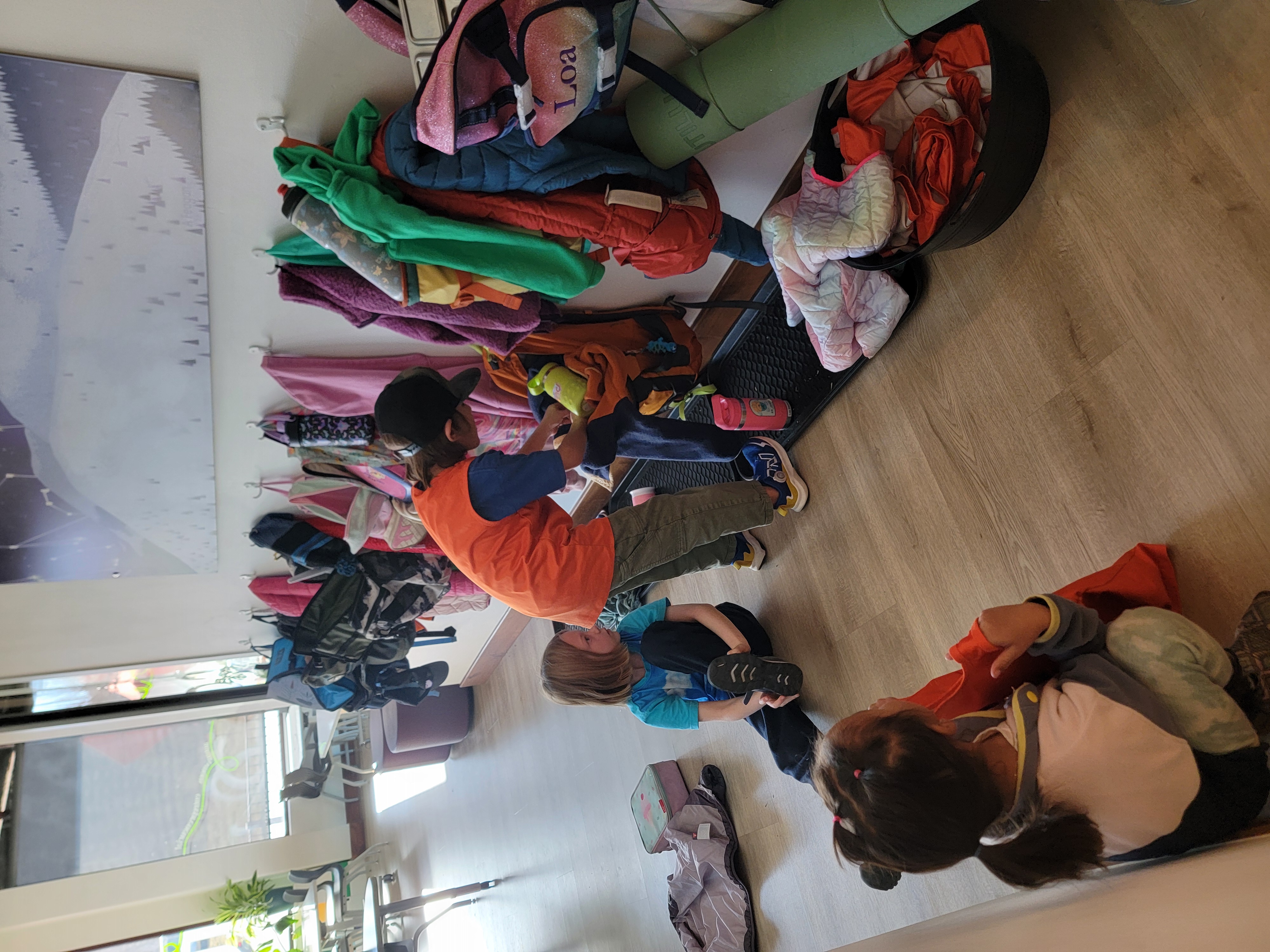
At Vail Valley Unbound, children are developing these abilities daily: a child strategizing how to complete a project step by step, pausing to think through an emotional response before acting, or reworking an approach after a challenge outdoors. Executive functioning is not about “fixing weaknesses.” It’s about understanding how each brain organizes, reasons, and adapts, and helping children discover strategies that fit their own way of thinking.
The Brain’s “Air Traffic Control System”
Executive functioning can be imagined as an air traffic control tower in the brain — coordinating multiple “flights” (thoughts, emotions, and actions) all at once. It’s also a bit like an internal compass, helping your child stay oriented, make adjustments, and find their way when plans change.
These skills include:
Working Memory – Holding and using information, like remembering directions on a trail or tracking steps in an experiment.
Inhibitory Control – Taking a pause before acting, thinking through next steps, or managing impulses.
Cognitive Flexibility – Adjusting when plans change or when unexpected challenges arise.
Every child uses these skills differently. Some are naturally methodical and love detailed plans; others thrive with movement, novelty, and intuitive thinking. Neurodiversity reminds us there isn’t one “right” way for executive function to look — only diverse pathways that can each lead to growth, independence, and fulfillment.
Explaining Executive Functioning to Kids
Meet Your Brain’s Coach: What Is the Brain’s Coach? Every person has a “coach” living in their brain, a helper that keeps track of goals, helps make plans, remembers what’s important, and calms us down when we need to think. This coach doesn’t yell or judge; it encourages, reminds, and helps us make choices that fit our goals and values.
Sometimes the brain’s coach gets distracted, tired, or confused– that’s normal! With practice, we can learn what helps our coach do its best work.
Why It Matters at Unbound
Unbound’s experiential learning model, built on exploration, independence, and connection, is a natural environment for strengthening executive function. Through the Acton curriculum, children set goals, make choices, and take ownership of their learning, all while reflecting on their progress. Each of these experiences activates their brain’s coach, the system that helps them plan, prioritize, and adapt when things don’t go as expected.
When your child leads a discussion, designs a project, or navigates a trail, they’re practicing executive functioning in meaningful, real-world ways. Children who think differently, including those who are gifted, ADHD, autistic, or simply wired for high creativity, often show incredible strengths in problem-solving, innovation, and persistence once the right supports are in place. Executive function development at Unbound is about building self-awareness, encouraging choice, and celebrating growth, not perfection.
Try This at Home
You can nurture executive functioning in everyday life with small, meaningful practices:
Invite collaboration – Ask your child, “What’s your plan for this?” and build on their ideas. What would their brain coach suggest?
Externalize the invisible – Use whiteboards, checklists, or visual schedules to make time and tasks concrete. This is kind of like a game plan, coaches putting their strategies on the board.
Model reflection – Talk out loud about how you plan, pivot, and problem-solve when something goes wrong. This is super important for parents to do. Your children listen to you more than you know. Talk about your plans for the day in the car on a ride. Discuss your strategy for grocery shopping.
Normalize differences – Let your child know that everyone’s brain organizes and adapts in its own way, and that learning how their brain works is part of becoming independent. Share your differences with your children. What do you do well? What do you need help with? And tell them how your coach helps you (i.e. lists in grocery stores, family planners, repeating things you need to remember aloud).
The Unbound Connection
Executive functioning isn’t simply a set of skills to master, it’s a way of understanding oneself as a learner. When your child recognizes how they focus, organize, and adapt, they gain the tools to navigate life with confidence. At Vail Valley Unbound, these skills grow not through rote instruction, but through curiosity, autonomy, and real-world experiences that honor every learner’s path.
Resources for Families
For families who want to learn more about executive functioning and neurodiversity-affirming strategies, these are great starting points:
CHADD: Children and Adults with ADHD – Practical guides and webinars on attention, organization, and family support.
ADDitude Magazine – Accessible articles and tools for parents and educators on executive functioning, ADHD, and self-advocacy.
Davidson Institute – Resources for parents of gifted and twice-exceptional (2e) learners.
Understood.org – Excellent for parents exploring learning and thinking differences, with tools to support executive function development at home and school.
Podcast: Executive function skills: What are they and how can we help kids build them?
Harvard Center on the Developing Child – A clear, science-based explanation of how EF skills grow and how to support them.
Podcast Suggestions: Executive Function Skills Podcasts